1. Collect and compare water sources
Use pond, creek, rain, tap, or filtered water samples and document source, timing, and visible conditions.
What to record
- Source location and date
- Temperature, clarity, odor, and visible algae
- Recent rainfall, runoff, or disturbance
- Basic chemistry if available
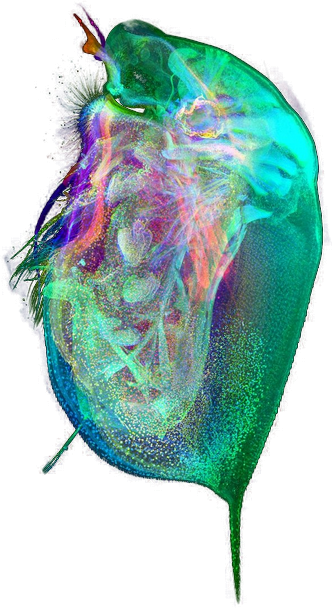
2. Observe Daphnia response
Compare survival, reproduction, activity, and overall vigor under consistent conditions.
Observation categories
- Mobility and responsiveness
- Population growth or decline
- Stress behaviors or die-off
- Water changes over time
3. Connect biological signals to interpretation
Use results as an educational signal that something may be supportive or stressful in the water.
Interpretive questions
- What conditions may be affecting aquatic life?
- What should be tested further?
- Is there a runoff, nutrient, or contamination concern?
- How might this matter to the local community?
4. Share results publicly
Build trust by presenting findings in plain language, emphasizing education and stewardship rather than alarm.
Best uses
- Demonstration projects
- Naturalist instruction
- Community outreach tables
- Introductory biomonitoring programs